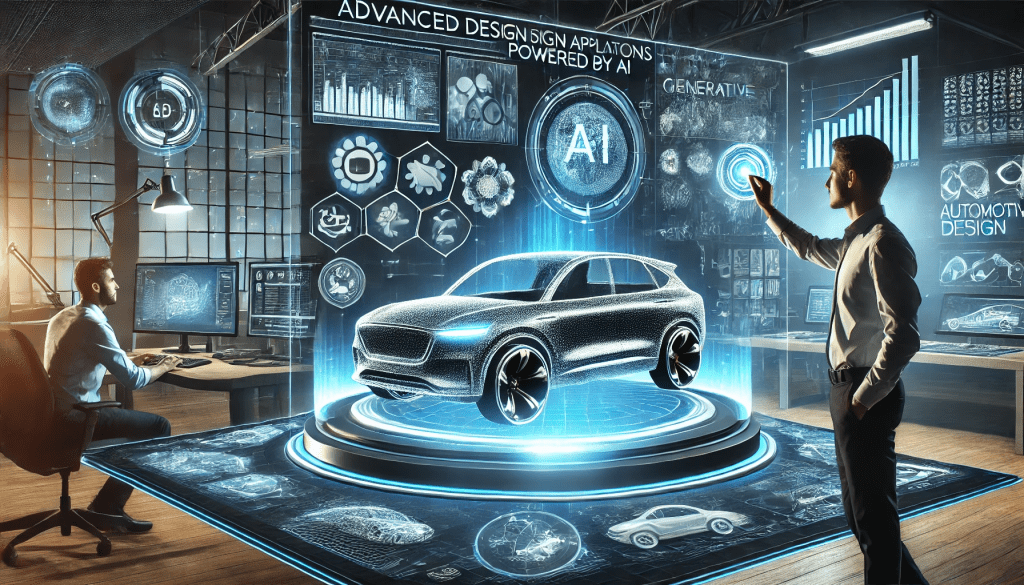
Designers are at the heart of Product Lifecycle Management (PLM)—turning ideas into real-world products. But the modern design process is more challenging than ever. Tight deadlines, shifting customer demands, and sustainability requirements create constant pressure.
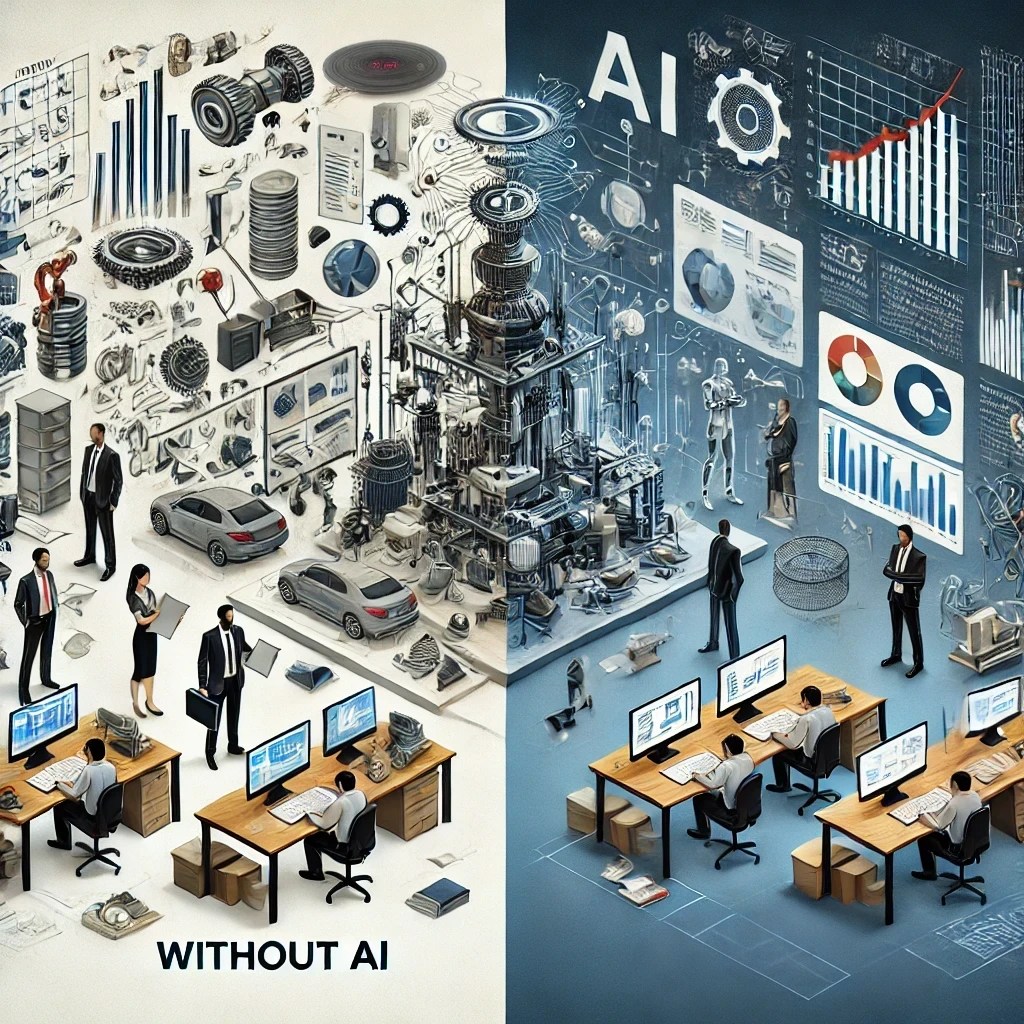
Enter Artificial Intelligence (AI)—a powerful ally that is enhancing creativity, automating tedious tasks, and optimizing design processes. AI isn’t here to replace designers; it’s here to empower them to work smarter, faster, and with greater innovation.
🎨 1. Generative Design: Supercharging Creativity
One of the most revolutionary AI tools for designers is generative design. AI can generate thousands of potential design variations based on key constraints such as material strength, weight, and cost.
✅ Why It Matters for Designers:
- Designers can quickly explore innovative design solutions that they might not have considered.
- AI refines designs based on performance metrics, leading to stronger and more efficient products.
- Faster iterations mean more time to focus on refining the best concepts rather than starting from scratch.
👉 Example: Automotive and aerospace industries use generative design to create lightweight yet strong components that improve fuel efficiency.
🔍 2. Predictive Analytics: Smarter Decision-Making
AI-driven predictive analytics analyzes historical data, real-time performance, and market trends to help designers make better-informed decisions.
✅ Why It Matters for Designers:
- Avoid costly redesigns by identifying potential design failures early.
- Optimize material selection based on durability, cost, and sustainability.
- Enhance user experience by predicting how customers will interact with a product.
👉 Example: A furniture designer using AI can predict how a chair’s material will wear over time, preventing defects before manufacturing.
⚙️ 3. Automation: Eliminating Repetitive Tasks
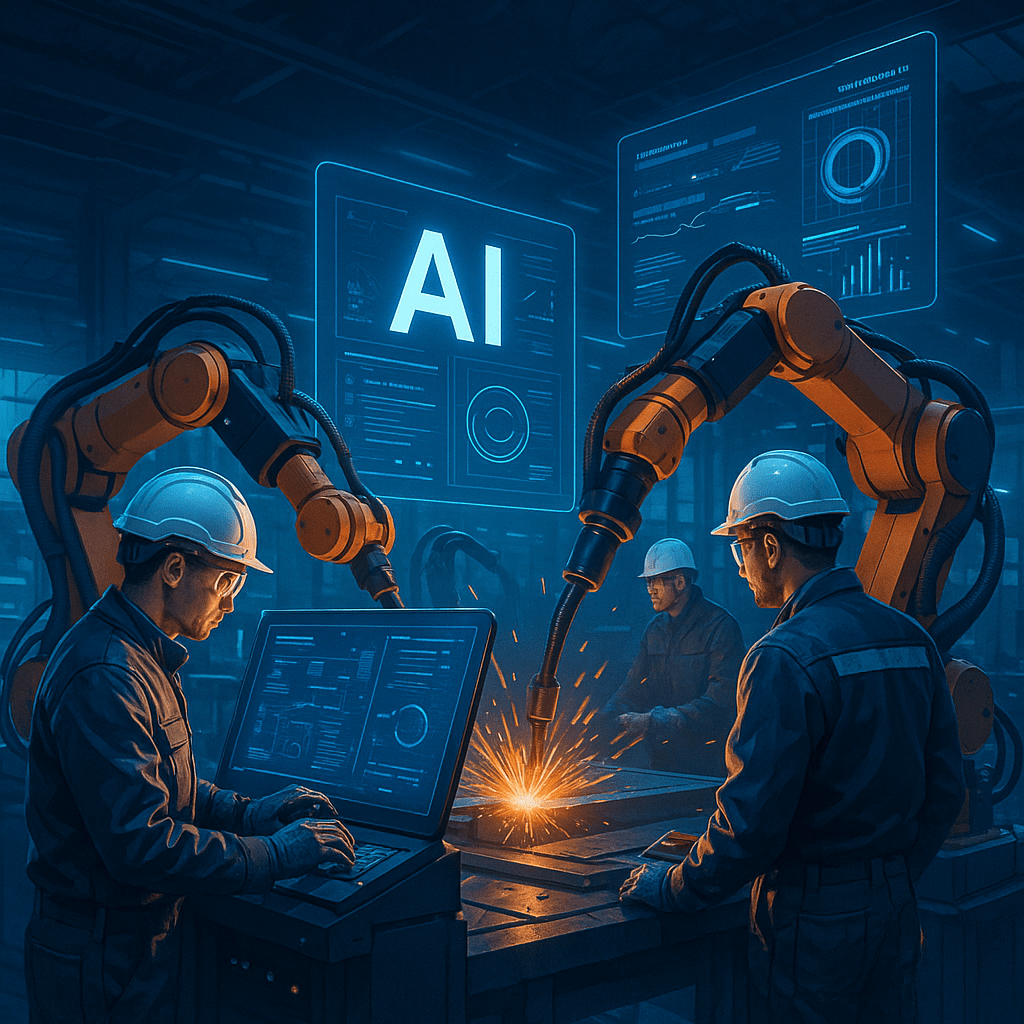
Designing isn’t just about creativity—it involves a lot of repetitive, time-consuming work like managing CAD files, adjusting dimensions, and running simulations. AI can automate these tasks, freeing designers to focus on innovation.
✅ Why It Matters for Designers:
- Reduce manual workload by automating CAD updates and file management.
- Speed up simulation testing, getting results instantly rather than waiting for physical tests.
- Ensure consistency across designs with AI-driven standardization.
👉 Example: A PLM software with AI automation can instantly update thousands of CAD models when a single parameter (such as material thickness) changes, saving hours of manual work.
🤝 4. AI-Driven Collaboration: Better Teamwork, Faster Approvals
AI improves design collaboration by analyzing feedback, tracking project changes, and suggesting design adjustments based on input from multiple stakeholders.
✅ Why It Matters for Designers:
- AI analyzes team discussions and highlights critical feedback that impacts the design.
- Reduces miscommunication by tracking changes and providing context for revisions.
- Accelerates approval cycles, allowing designs to move through the pipeline faster.
👉 Example: AI in PLM tools can suggest alternative materials when suppliers indicate shortages, preventing production delays.
🌱 5. AI for Sustainable Design: Smarter, Greener Choices
Sustainability is becoming a top priority for designers, and AI can help create eco-friendly products without compromising performance.
✅ Why It Matters for Designers:
- AI suggests sustainable materials based on lifecycle impact and recyclability.
- Optimizes manufacturing processes to reduce waste and energy consumption.
- Helps meet regulatory compliance by flagging non-compliant materials before production.
👉 Example: A sportswear brand using AI to analyze the carbon footprint of its shoe materials, choosing greener alternatives without sacrificing quality.
🚀 6. AI-Powered Simulations: Instant Testing for Rapid Prototyping
Traditional design testing requires physical prototypes, which can be costly and time-consuming. AI-driven simulations allow designers to test performance in real-time without creating a single physical model.
✅ Why It Matters for Designers:
- AI predicts product behavior under different conditions (stress, temperature, pressure).
- Reduces costs by minimizing the need for physical prototypes.
- Speeds up the iteration cycle, allowing designers to make rapid improvements.
👉 Example: An automotive designer can test how a new car bumper design absorbs impact in a crash without needing a physical prototype.
💡 How Designers Can Start Using AI in PLM Today
1️⃣ Experiment with Generative Design Tools – Software like Autodesk’s Fusion 360 and Dassault Systèmes’ CATIA integrates AI for generative design.
2️⃣ Leverage AI-Driven Simulations – Tools like Siemens NX and ANSYS provide real-time AI-powered simulations.
3️⃣ Automate Repetitive Design Tasks – Use AI-enhanced PLM software to manage version control and CAD updates.
4️⃣ Adopt AI for Sustainability – Platforms like EcoDesigner AI help select eco-friendly materials.
🔮 The Future of AI for Designers in PLM
AI is not here to replace designers—it’s here to enhance their creativity, streamline workflows, and reduce errors. As AI continues to evolve, designers will be able to push the boundaries of innovation, turning bold ideas into reality faster than ever before.
The question is no longer if designers should use AI, but how they can best leverage it to transform their creative process.




Leave a comment