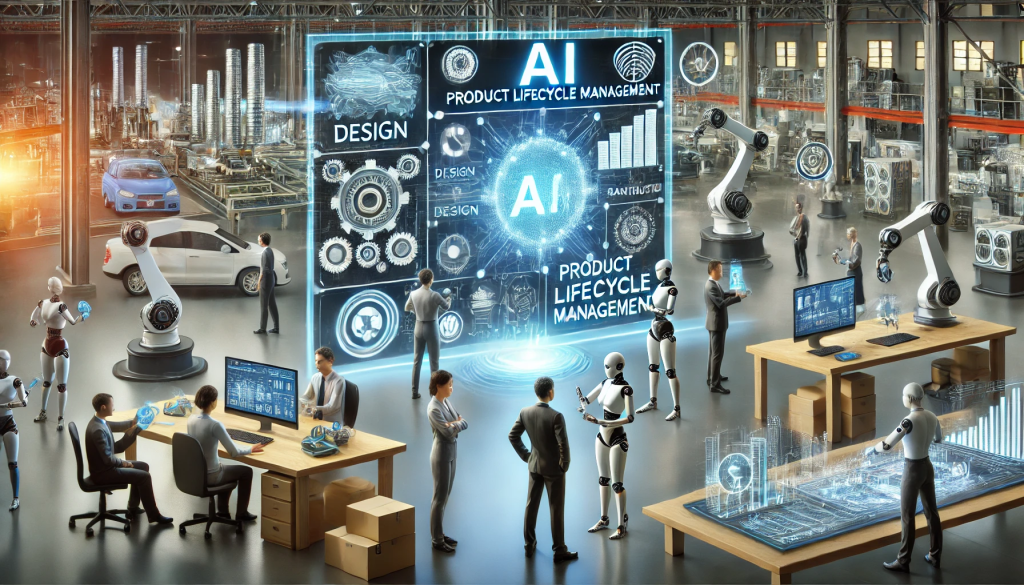
Artificial Intelligence (AI) is making waves across industries, and Product Lifecycle Management (PLM) is no exception. PLM refers to the management of a product’s lifecycle from design and development to production, sales, and eventual retirement. Here’s how AI is transforming this critical process:
1. Faster Product Development
AI-powered tools can analyze large amounts of design data, customer feedback, and market trends to recommend optimized product designs. This not only speeds up the design phase but also reduces errors by identifying potential flaws early.
2. Smarter Decision-Making
AI uses predictive analytics to forecast product demand, material shortages, and production bottlenecks. This helps companies make informed decisions, reducing costs and ensuring that products meet market needs.
3. Improved Collaboration
AI tools streamline communication across departments by providing a single source of truth for product data. For example, teams in design, manufacturing, and marketing can use AI to work on a unified platform, minimizing miscommunication.
4. Efficient Maintenance
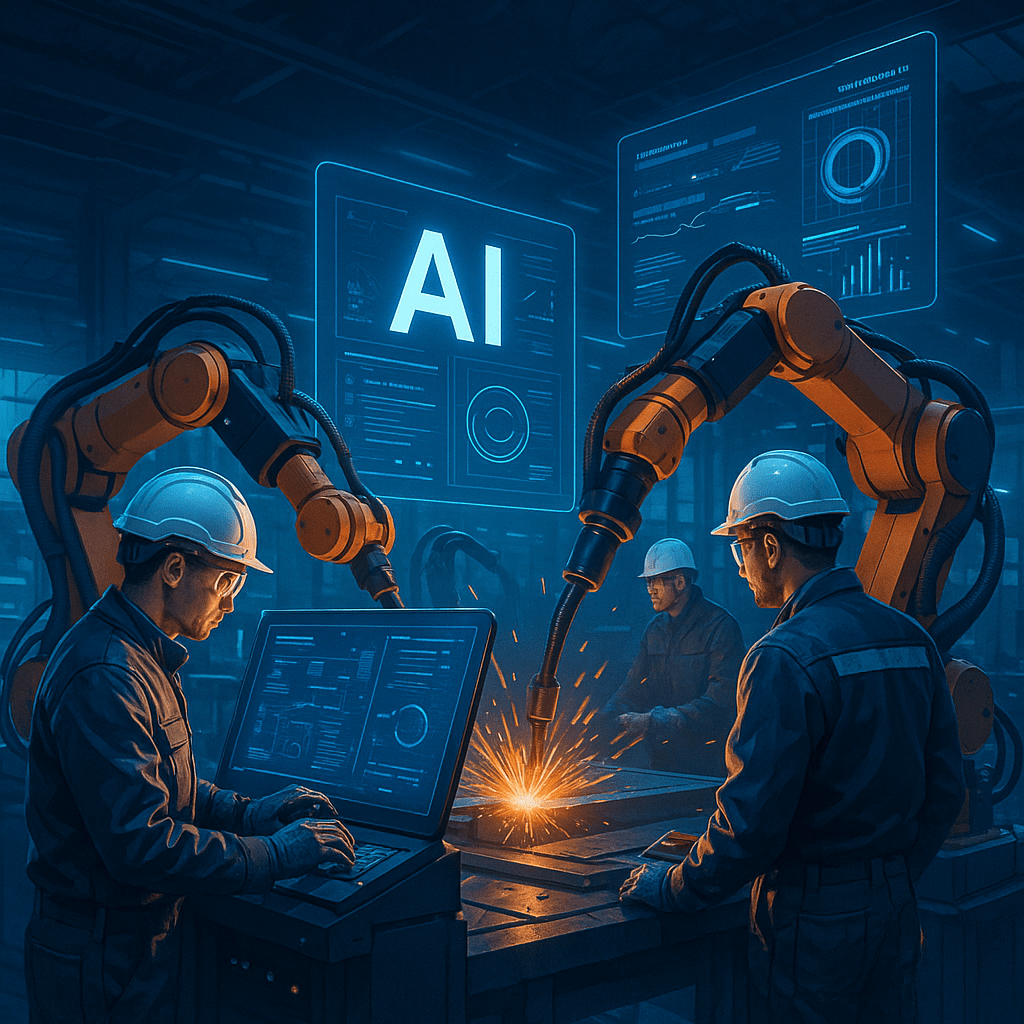
AI-driven predictive maintenance tools monitor equipment and predict when it might fail. This ensures machines are repaired before breakdowns, reducing downtime and extending the lifecycle of manufacturing equipment.
5. Sustainability and Waste Reduction
AI helps identify areas where resources can be optimized, such as using less material or energy during production. It can also suggest eco-friendly design alternatives, making products more sustainable.
6. Personalized Products
With AI, companies can create products tailored to individual preferences by analyzing consumer data. This level of personalization was previously unimaginable at scale.
The Future of PLM with AI
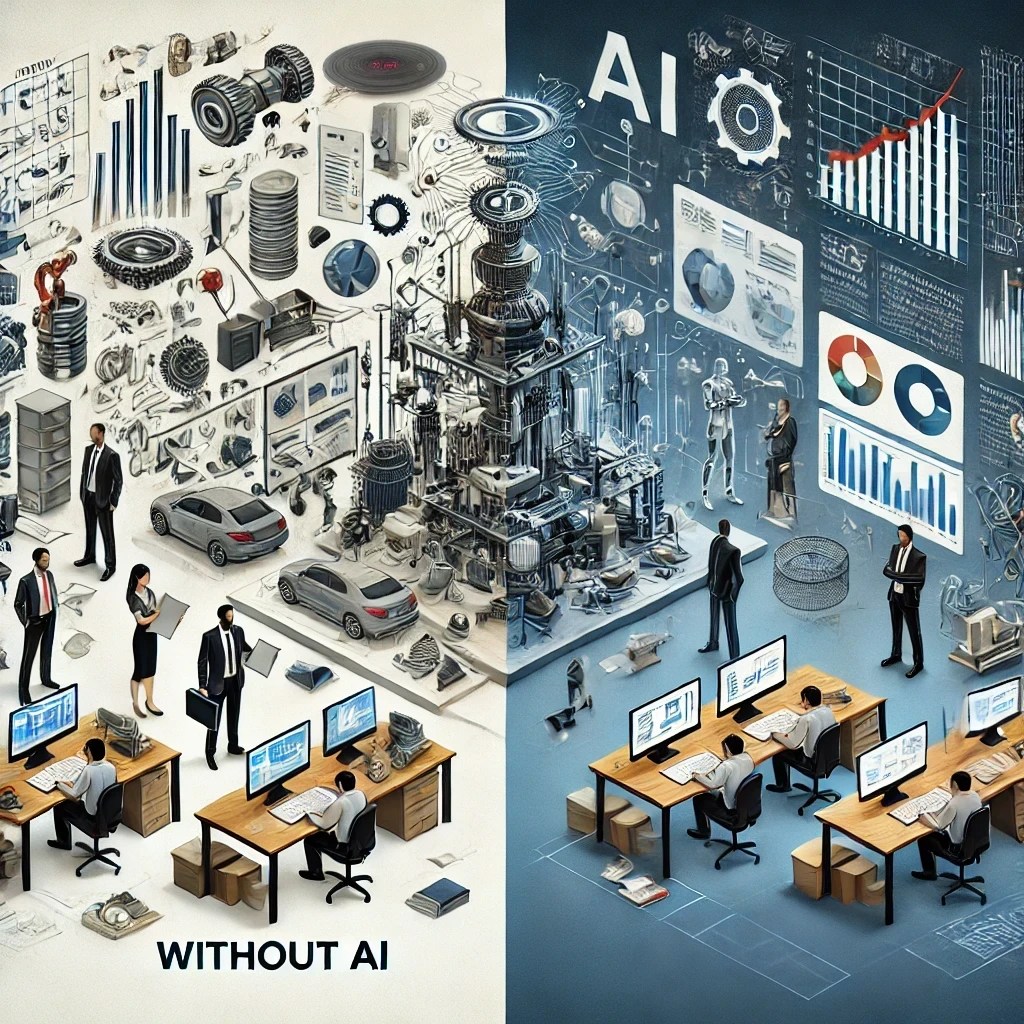
AI is making PLM more agile, cost-effective, and innovative. Businesses that adopt AI in their PLM processes are better equipped to adapt to market changes, enhance customer satisfaction, and stay ahead of competitors.
AI in PLM is not just a trend; it’s a game-changer. As the technology continues to evolve, we can expect even greater efficiencies and innovations in how products are designed, manufactured, and managed.



Leave a comment